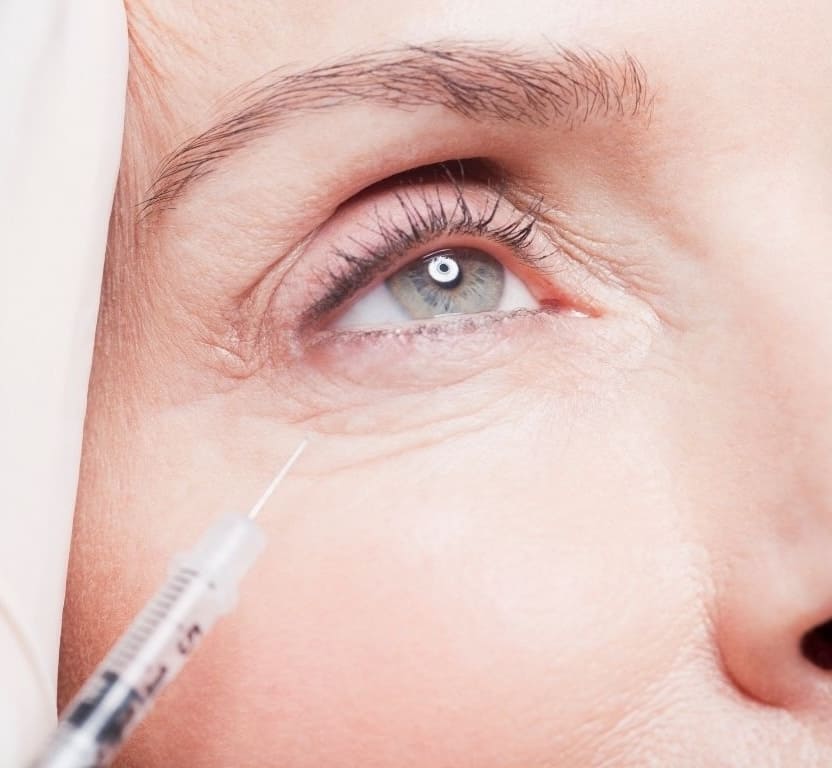
What does biostimulation mean?

In medical aesthetics, biostimulation means that a treatment stimulates the body's own biological regeneration processes, rather than mainly filling or mechanically altering tissue.

Simply explained

Goal: to stimulate the skin so it partially regenerates itself.

Fibroblasts are stimulated – they can produce more collagen and elastin.

Over time, this can improve:

  • Skin firmness
  • Elasticity
  • Skin thickness/structure
  • Moisture content
  • Fine lines and wrinkles

The effect does not appear immediately but typically develops over several weeks.

This approach differs from a classic filler, which primarily replaces volume or fills tissue directly.
Botulinum toxin (Botox)

Botulinum toxin (Botox)

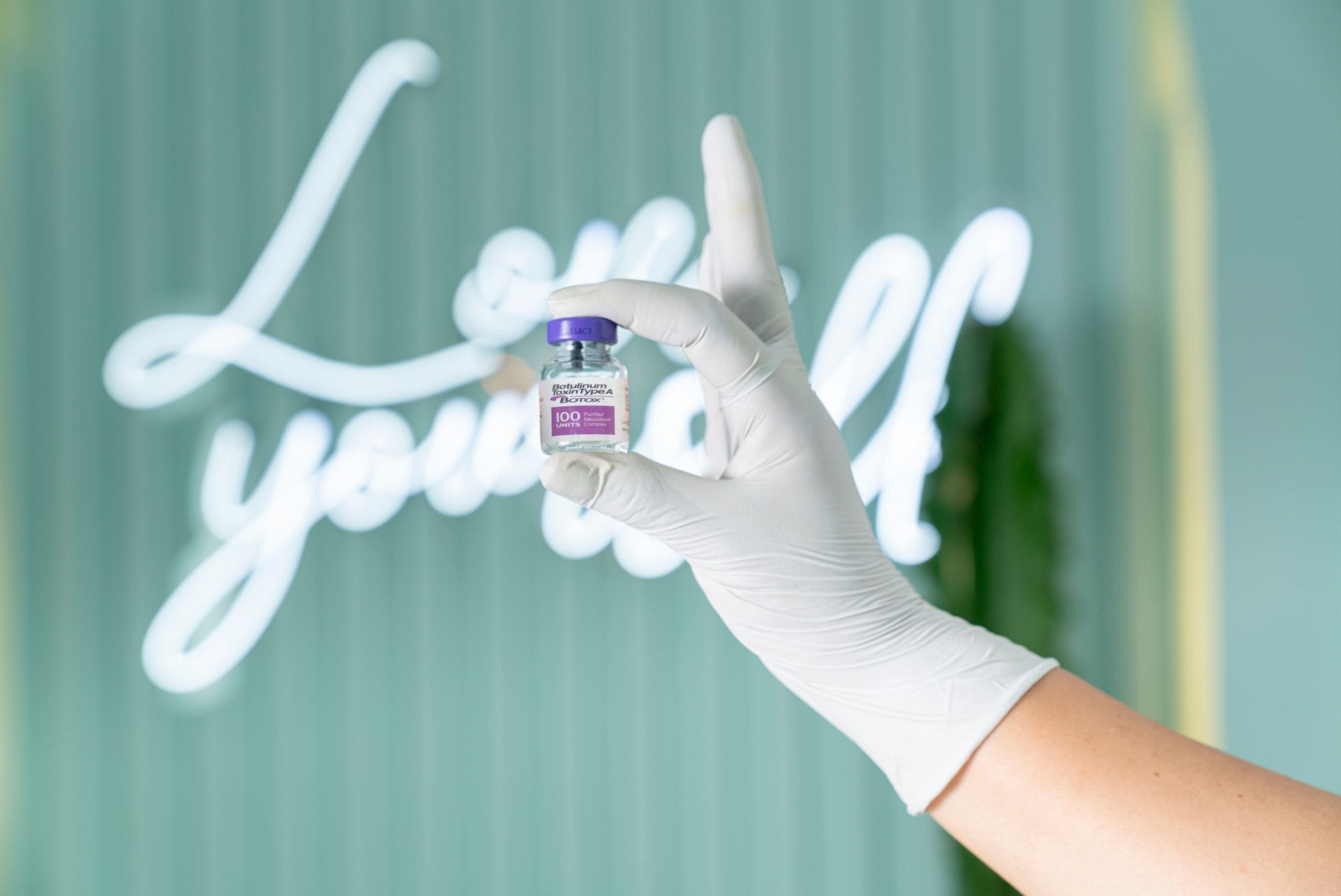
The word Botox®, often used as a synonym, is a brand name for botulinum toxin type A, a neurotoxic protein used in aesthetic and medical treatments. It is mainly used for smoothing wrinkles and relaxing muscles by temporarily blocking the signal transmission between nerves and muscles.

Botulinum toxin is derived from the bacterium Clostridium botulinum, a gram-positive, anaerobic (oxygen-avoiding) rod-shaped bacterium. This bacterium produces the neurotoxin under certain conditions as a natural metabolic byproduct.

How does Botox work?

Muscle paralysis

Botox inhibits the release of acetylcholine (a neurotransmitter), causing temporary muscle relaxation.

Wrinkle smoothing

Reduced muscle activity lessens dynamic wrinkles (those caused by facial expressions, such as e.g. forehead lines, frown lines, or crow’s feet).

Preventive effect

Early and regular use can slow the development of wrinkles.
Common areas of application

Aesthetic treatments

Aesthetic Treatments

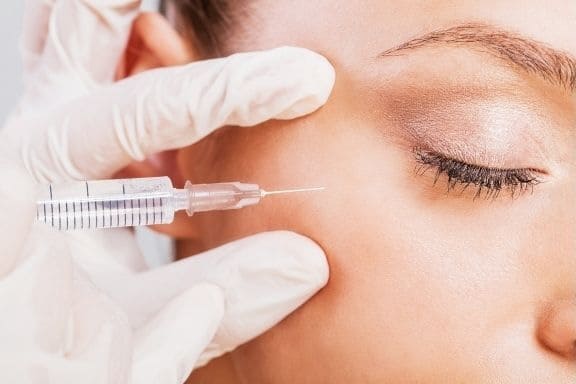
Smoothing of forehead and frown lines ("glabella" or "11 lines") and laughter lines (crow’s feet)

Gentle lifting of the eyebrows ("brow lift")

Reducing the inward rotation of the upper lip, creating the visual effect of increased volume ("lip flip")

Reduction of a "gummy smile" (visible gums when smiling)

Relaxation of neck muscles for a defined profile ("Nefertiti lift")

Medical applications

Medical applications

Relief of chronic migraine

Treatment of excessive sweating (hyperhidrosis)

Therapy of muscle spasms, for example with spasticity or teeth grinding (bruxism)
Profhilo®

Profhilo®

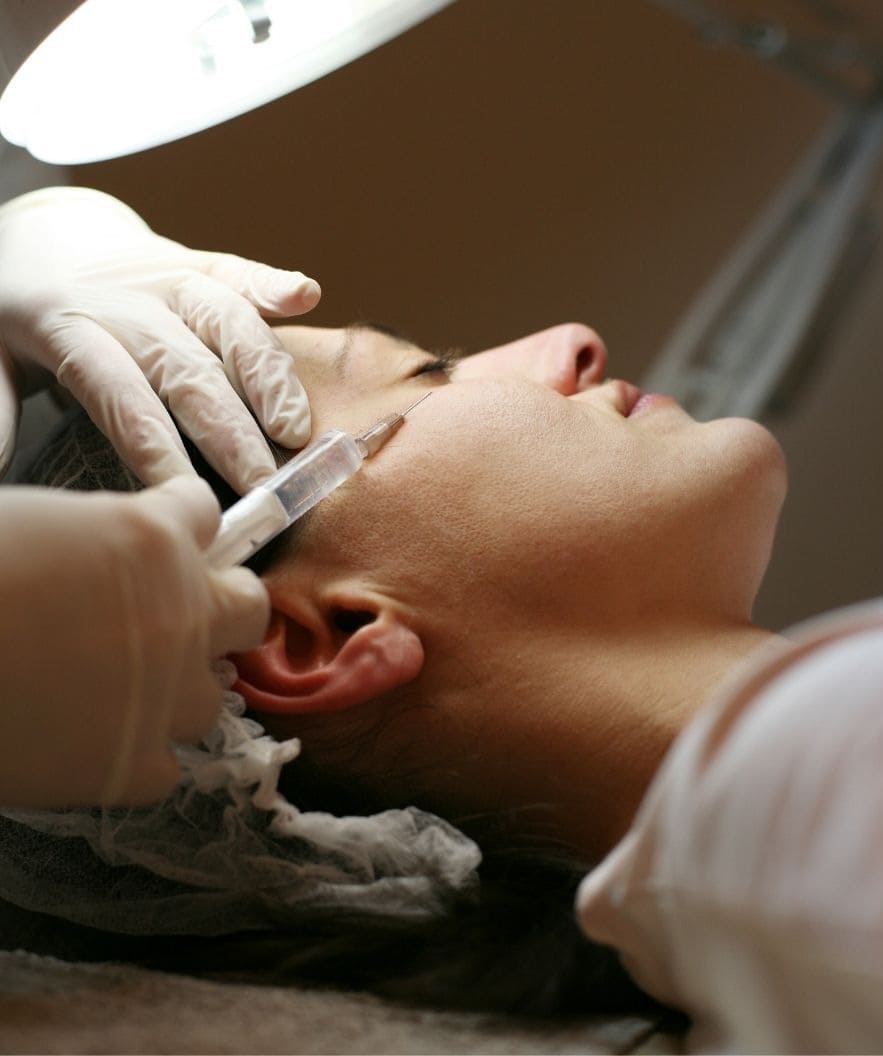
Profhilo® is an innovative skin treatment product primarily used for tightening and rejuvenation.

It is an injectable hyaluronic acid gel that does not serve as a filler but revitalizes the skin from within.
Key Properties of Profhilo

Highly Concentrated Hyaluronic Acid

Contains a particularly pure and stabilized form of hyaluronic acid (HA).

Its concentration is higher than that of conventional fillers.

Bio-Remodeling Effect

Stimulates collagen and elastin production.

Improves skin quality, firmness, and hydration.

Minimally Invasive Treatment

Injected superficially into the skin (usually on the face, décolleté, or neck).

Hardly any downtime; minor redness or swelling subsides quickly.

Long-Lasting Effect

Results develop over several weeks.

A treatment series usually includes 2 sessions spaced 4 weeks apart; results last up to 6 months or longer.

Botulinum toxin (Botox)

Profhilo or Hyaluronic Acid – The Difference

Conventional fillers add volume to wrinkles or deficits, while Profhilo optimizes the skin’s biology – it acts more regeneratively than correctively.

Profhilo is particularly popular in aesthetic medicine because it provides a natural freshness without an “overfilled” appearance. It is often referred to as a “skin booster” or “bio-remodeling”.

Who Is Profhilo Suitable For?

People with sagging, dehydrated, or wrinkled skin.

To improve skin texture and elasticity.

As an alternative or supplement to filler treatments.

Who is a classic, cross-linked hyaluronic acid filler suitable for?

For those wanting immediate volume correction in the lips or bony facial structures.

Profhilo® Structura

Profhilo® Structura is the further development of Profhilo, designed specifically for age-related volume loss in the facial fat tissue.

Key properties of Profhilo Structura

Mechanism of action

Lower viscosity than chemically cross-linked dermal fillers, but higher than standard Profhilo.

Pseudoplastic properties allow integration into fat tissue without compression.

Stimulates fat tissue regeneration by activating cellular mechanisms.

Indication

Age-related volume loss in the face.

Diet-related loss of fat tissue, e.g. after weight-loss medication.

Minimally invasive treatment

Injected into the superficial fat compartment with a blunt cannula.

Recommended treatment series: 2 sessions spaced 4 weeks apart; touch-ups recommended every 3–6 months.

Hardly any downtime; minor redness or swelling subsides quickly.

Onset and duration of effect

Direct volume replenishment of the superficial fat compartment.

Rapid hydration through the hygroscopic properties of hyaluronic acid.

Natural volume gain over months through regeneration of fat cells, together with improved skin firmness and elasticity.

Long-term effects lasting at least 6 months.

Who is Profhilo Structura suitable for?

For people with age- or diet-related loss of facial fat tissue.

Polynucleotide treatment (PolyPhil)

Polynucleotides

Polynucleotides (PN) are high-molecular-weight DNA fragments derived from salmon or trout sperm. They act in the tissue as anti-inflammatory agents and promote blood circulation. Together with increased activity of growth factors and fibroblasts, this leads to rejuvenation and improved skin quality.

Besides skin rejuvenation, polynucleotides are also used for hair loss (androgenetic alopecia) as well as joint wear and tendon regeneration.

Key properties of PolyPhil™

Mechanism of action

Polynucleotide-based biostimulator (PN-HPT®, 40 mg/2 ml).

Stimulates the body's own regeneration processes as well as collagen and elastin synthesis.

Improves skin moisture, elasticity, firmness and structure.

Works primarily through biostimulation, not through a classic volume effect like a filler.

Indications

Fine lines and early skin ageing.

Loss of elasticity and moisture.

Depending on the product variant, also for the face, neck, décolleté and other skin areas.

Minimally invasive treatment

Intradermal injection, typically 3–4 treatments spaced roughly 2–3 weeks apart.

Individual touch-ups depending on skin condition and lifestyle.

Onset & duration of effect

Moisture/freshness: sometimes noticeable within a few days.

Skin structure and radiance tend to improve after a few weeks.

The collagen/elastin effect builds up gradually over several weeks; the effect gradually fades over time – lifestyle, UV exposure, age and skin care influence its duration.

PolyPhil™ Eye – specifically for the eye area

Key properties of PolyPhil™ Eye

Mechanism of action

Specifically designed for the thin, sensitive skin around the eyes.

Contains 15 mg PN-HPT® in 2 ml (lower concentration).

Improves skin quality, hydration, elasticity and firmness – not primarily volumising.

Indications

Fine lines and superficial wrinkles, crow’s feet.

Tired-looking eye area, thin or sagging skin.

Sometimes also used to improve dark circles or uneven skin tone/texture.

Minimally invasive treatment

Intradermal micro-injections, 3–4 sessions spaced 14–21 days apart.

Touch-up every 1–2 months, or alternatively 2–3 complete treatment cycles per year.

Onset & duration of effect

Initial hydration/freshness often noticeable within a few days.

Improvement in skin structure and radiance typically after 2–3 weeks.

Firming and new collagen formation develop progressively over several weeks; touch-ups individually range from monthly to twice-yearly.

Treatment with calcium hydroxylapatite (Radiesse®)

Calcium hydroxylapatite (Radiesse®)

Calcium hydroxylapatite (CaHA, e.g. Radiesse®) is a synthetic, non-animal, biostimulatory dermal filler made of calcium hydroxylapatite microspheres, chemically identical to the mineral found in bones and teeth.

Its gel carrier can provide immediate volume and contour, while long term CaHA stimulates the body's own regeneration processes – including collagen and elastin formation – improving skin structure without causing chronic inflammation. This results in improved firmness, elasticity, skin structure and hydration.

Key properties of Radiesse®

Mechanism of action

Main component: calcium hydroxylapatite (CaHA) microspheres in a carboxymethylcellulose gel.

Works in two ways: immediately, the gel carrier provides volume, contour and a certain lifting effect; long term, CaHA stimulates the body's own regeneration processes, including collagen and elastin formation.

Non-immunogenic; no skin test required before treatment (unlike collagen-based fillers).

Indication

Moderate to pronounced wrinkles and skin folds.

Facial volume loss or contour loss in the lower face.

Skin tightening on the face, neck, décolleté, arms, abdomen and buttocks.

Minimally invasive treatment

Depending on dilution and treatment goal, deep or superficial injection.

A single treatment often lasts up to 12 months; for repeat treatments, an interval of 12–14 months is typical for long-term facial rejuvenation.

Onset & duration of effect

Immediate volume correction directly after injection through the microspheres themselves.

The additional biostimulatory effect (collagen build-up, improved skin quality) sets in with a delay and develops over weeks to months.

Results generally last 12–18 months, occasionally significantly longer. With repeated injections (every 12–14 months), the aesthetic improvement is maintained over several years.

PRP treatment with the patient's own blood

PRP (platelet-rich plasma)

Platelet-Rich Plasma (PRP) is obtained by centrifuging the patient's own blood, drawn shortly before the treatment. Activated platelets release more than 300 bioactive proteins (including growth factors) that promote cell proliferation, angiogenesis, collagen synthesis and inflammation modulation.

PRP is used not only in aesthetic medicine but also in regenerative orthopaedics.

Key properties of PRP

Mechanism of action

Platelet-rich plasma from the patient's own blood with a high concentration of platelets and growth factors.

Aims to stimulate the body's own regeneration processes and new collagen formation – without a relevant immediate volume effect.

Very low risk of an allergic reaction, as the patient's own material is used.

Indications

Aesthetics: skin rejuvenation, hair restoration (androgenetic alopecia), scar treatment, as an adjunct in breast augmentation.

Musculoskeletal: joint wear, tendon injuries and inflammation, muscle injuries.

Wound healing: chronic, poorly healing wounds (diabetic ulcers, venous ulcers, pressure sores, post-surgical wounds).

Minimally invasive treatment

Blood draw → centrifugation/preparation → injection of the patient's own PRP, usually via intradermal micro-injections or mesotherapy technique.

Treatment frequency depends on the indication, usually up to 6 injections per treatment cycle, spaced 2 weeks to 1 month apart.

Onset & duration of effect

New collagen formation and tissue regeneration develop over several months.

For joint applications, pain relief typically begins around 2 months after injection.

The effect lasts for several months.

Frequently Asked Questions

New possibilities

Innovative therapies for health, vitality, and aesthetics.

Your advantages

State-of-the-art treatment methods combined with many years of medical experience.

Botox (botulinum toxin) relaxes muscles by blocking nerve signals and is used for expression wrinkles (e.g. forehead or frown lines). Hyaluronic acid restores volume and binds moisture, ideal for static wrinkles, lips, or contours. Botox takes effect after 3–7 days and lasts 3–6 months; hyaluronic acid works immediately for 6–18 months.

Botox takes effect after about 3–7 days and lasts 3–6 months. Hyaluronic acid results are visible immediately and last 6–18 months depending on the product and metabolism.

Normally there is no downtime. Occasionally small bruises may appear but fade quickly. You can resume social activities immediately after the treatment.

Biostimulation means stimulating the body's natural regeneration processes by supporting the activity of its own cells. The goal is for the body to produce more collagen, elastin or other natural structures – rather than just creating a surface effect.